

Film & TV Clipping Campaigns
Film and TV clipping campaigns put your trailer, premiere and episode footage into the feed as creator-posted clips across TikTok, Instagram Reels and YouTube Shorts, timed to the release window. 530K+ clippers pick the scenes that stand on their own; Clipping Culture reviews every submission and reports verified views. Scary Movie and Dracula: A Love Tale ran this way.


10B+ views generated for brands.
530K+
Clippers in the network
147
Published case studies




Anna (2019)

Dracula: A Love Tale

Starz, Fightland
Candyjar, Seeing Scarlett
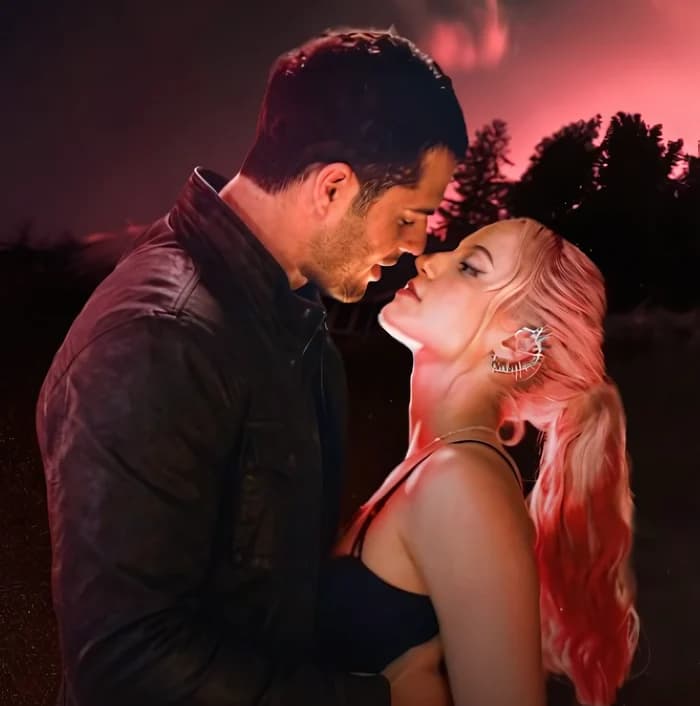
Candyjar
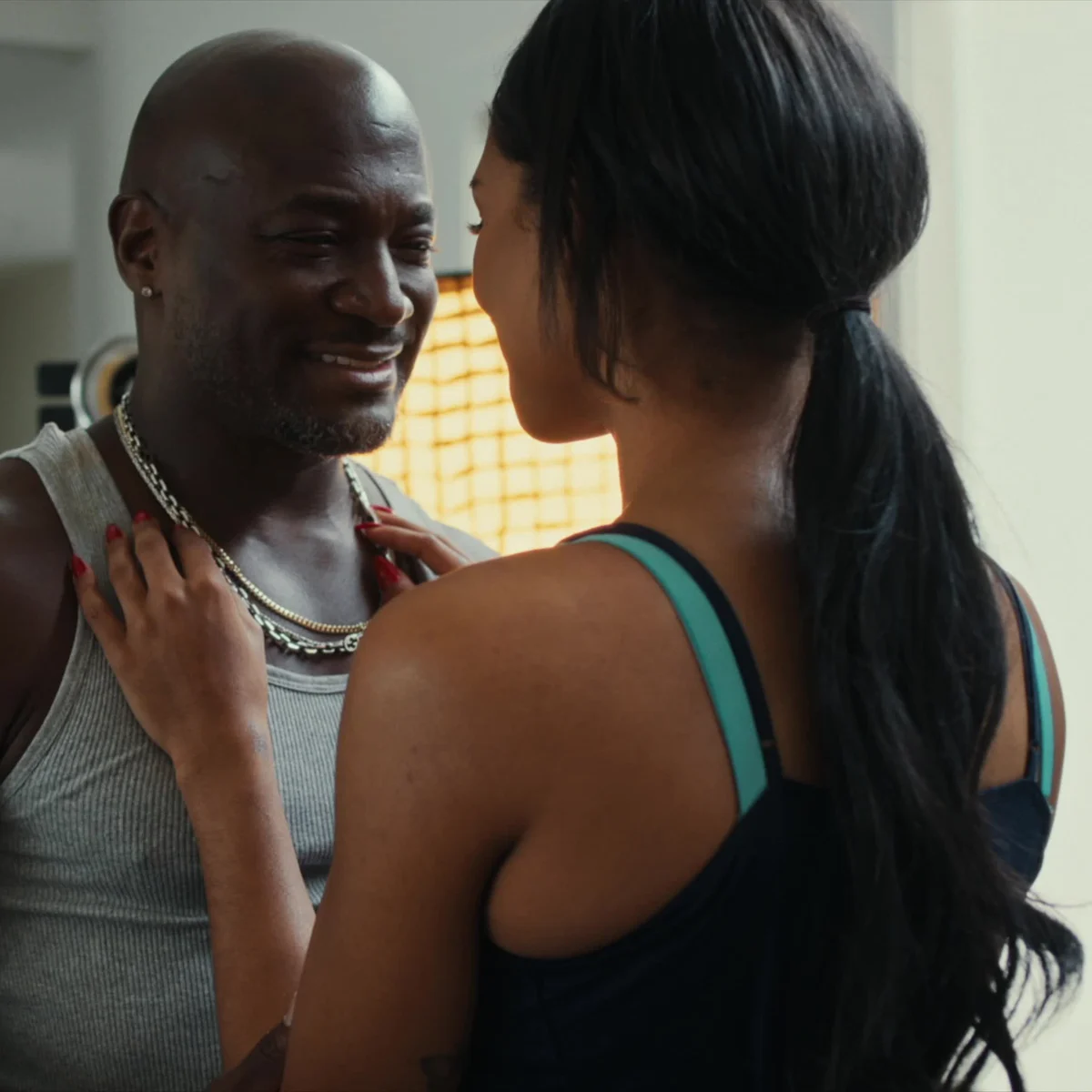
Scary Movie
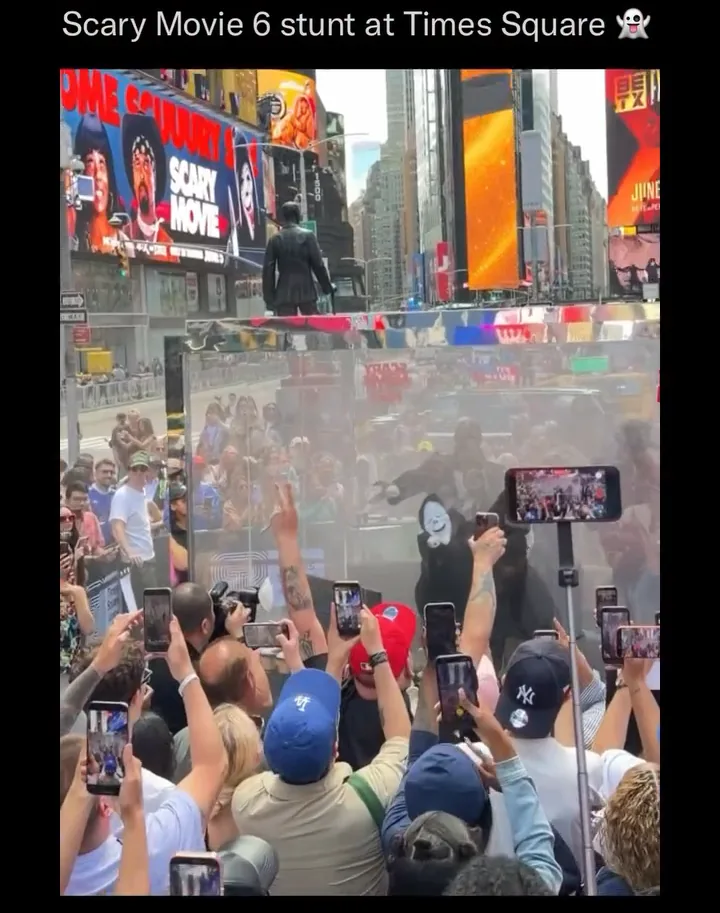
Higgsfield AI
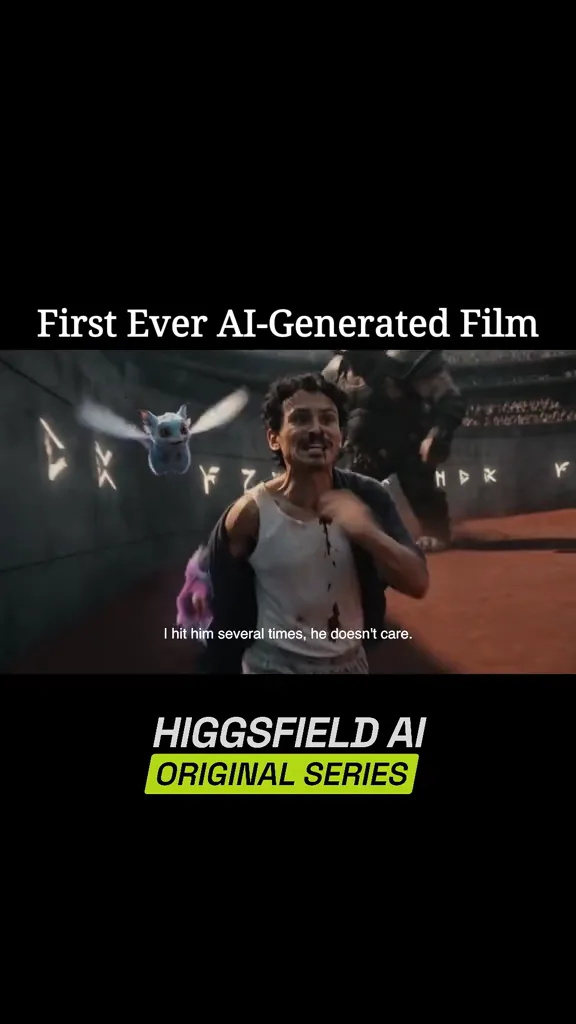
Paul American
Dhar Mann

MLB
Higgsfield AI

Pro Padel League
BobbyCast
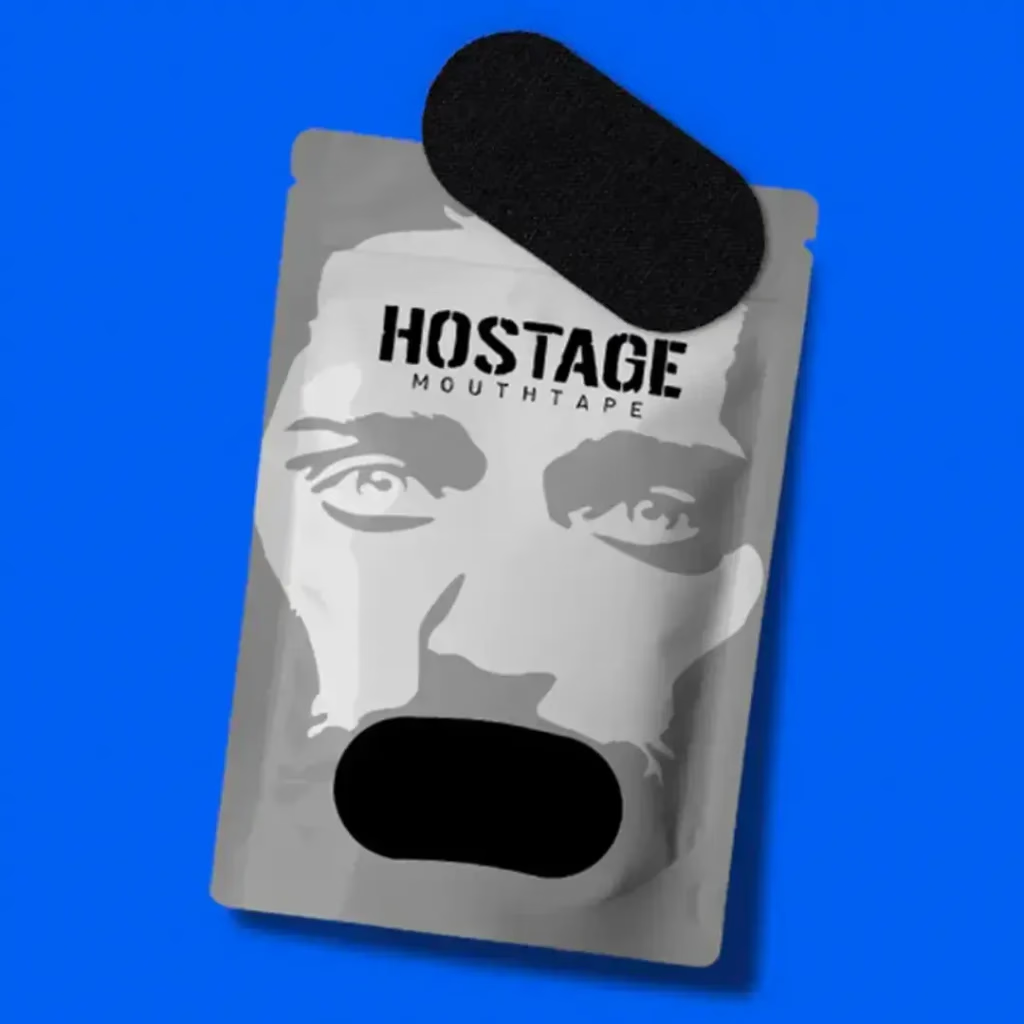
Hostage Tape
What is a film and TV clipping campaign?
A film and TV clipping campaign gives participating clippers approved footage from a movie, series or premiere, plus rules for what they can post. They cut scenes into native clips, post them from their own accounts and submit them for review. Views are counted and reported against one target.
A trailer is one asset on one account. A clipping campaign puts hundreds to thousands of separate scenes, lines and reactions into the feed, posted by clippers from a network of hundreds of thousands and tested against many audiences.
Views generated across campaigns
Clippers in the network
Published case studies

Campaigns for new releases, older titles, series and premieres
The same campaign model runs a release window, revives a catalog title, carries a weekly series or amplifies a premiere.
Release windows
Scenes in the feed from opening weekend.

Release windows
Clippers post scenes while the title is in theaters or new on a platform. Dracula: A Love Tale reached 47.9M views from 368 posts on Instagram and TikTok since January 27.
- Approved footage folder
- Spoiler rules set before launch
- Waves timed to release dates
Catalog titles
Older films, found by a new audience.

Catalog titles
Anna was released in 2019. Four clipping campaigns in 2026 reached 104.8M views from 1,592 posts across four campaigns.
- Scenes that work without context
- Captions written for discovery
- New waves as clips land
Series and episodes
Weekly drops, clipped as they air.
Series and episodes
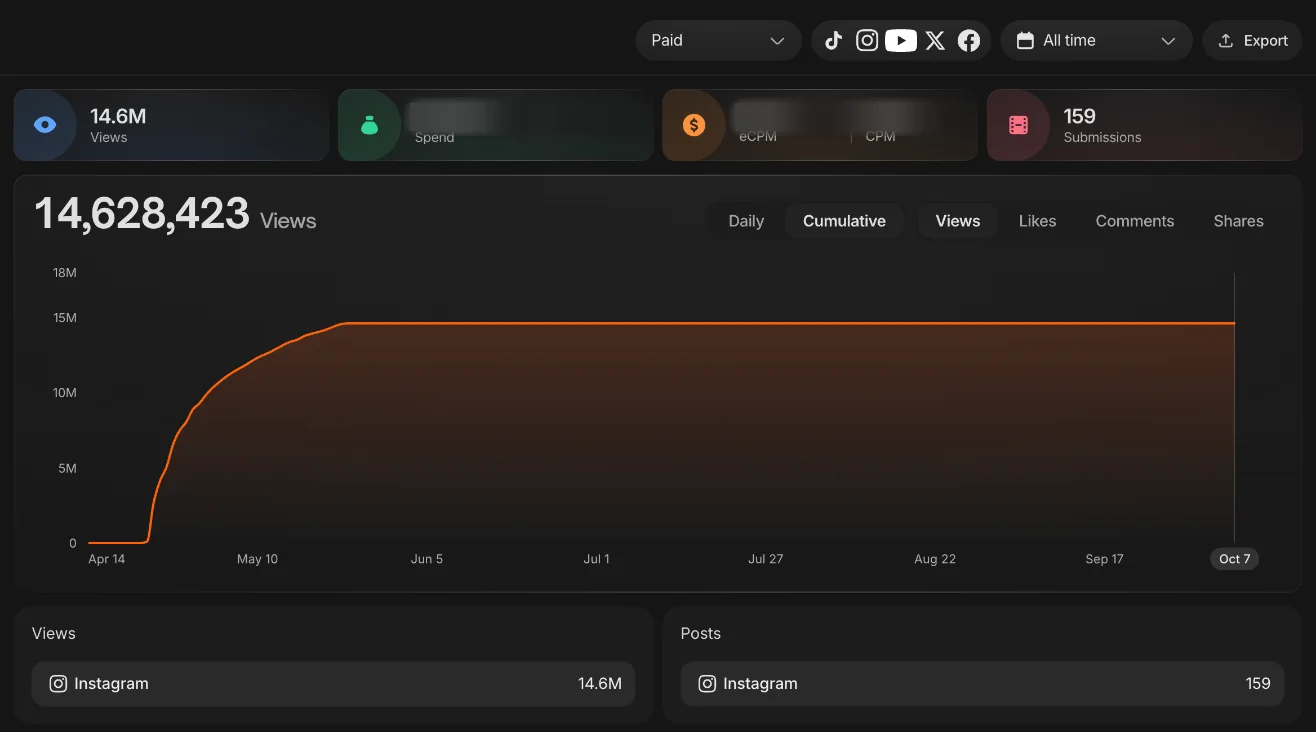
Series apps and networks run a campaign per show. Candyjar’s “Off Limits” and “All Mine” reached 23.6M views from 94 posts on Instagram and TikTok since April 10.
- One campaign per show or season
- Episode-by-episode footage
- Reviewed before views count
Premieres and stunts
The moment around the release, not just the footage.
Premieres and stunts
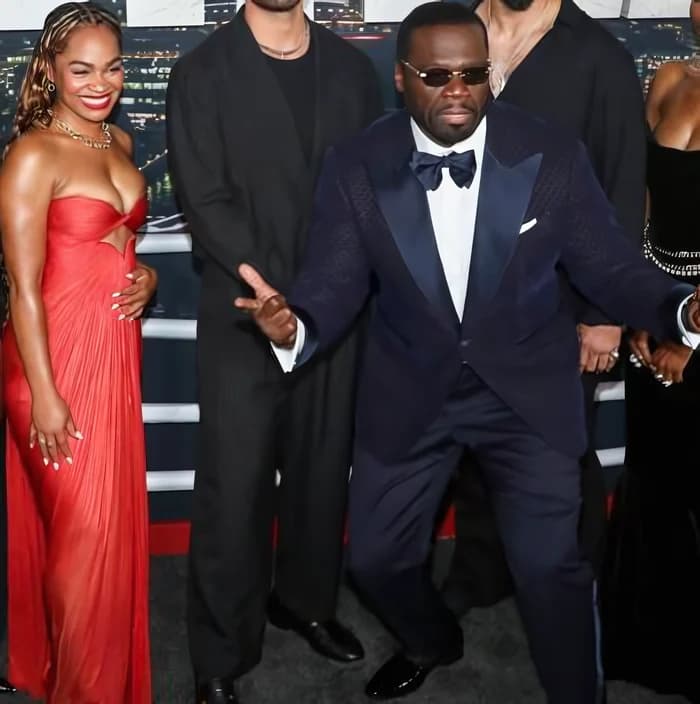
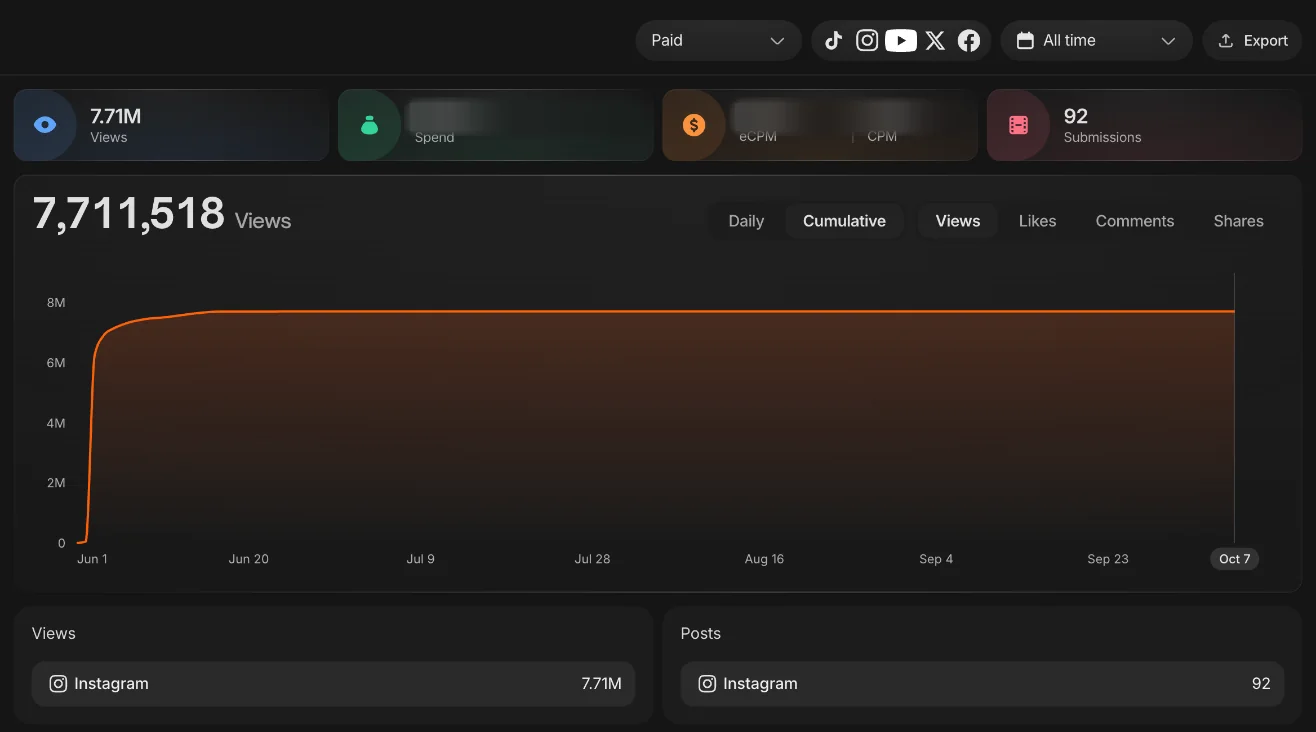
Red-carpet and stunt footage clips too. Scary Movie’s Times Square stunt reached 7.7M views from 92 Instagram posts since June 1.
- Premiere and event footage
- Cast and red-carpet moments
- Stunts filmed for the feed
How a film and TV clipping campaign works
The campaign defines the approved footage and the rules, participating clippers cut and post scenes, and Clipping Culture verifies eligible delivery.

Before release
Approve the footage

In the feed
Clippers cut and post scenes

Verified delivery
Verify and report
Every film and TV campaign, tracked on a live dashboard
Each film and TV campaign runs on its own Whop Content Rewards dashboard. Views are tracked by platform and by post, and only submissions that pass review count toward the target.
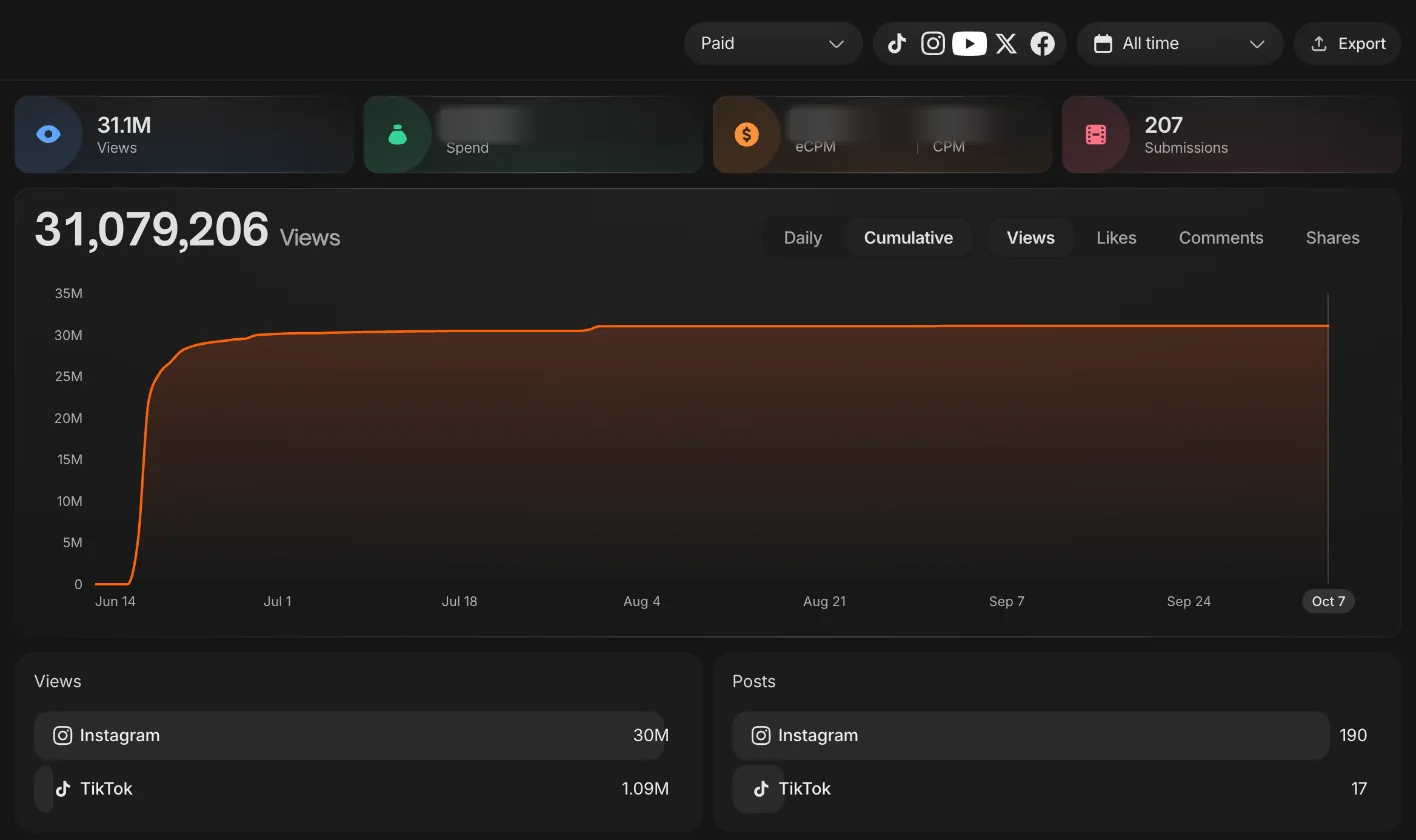
Anna (2019), movie clips
The first Anna campaign reached 31.1M views from 207 posts on Instagram and TikTok since June 14. Three more followed: together they reached 104.8M views from 1,592 posts across four campaigns.
- A catalog title, clipped years after release
- Daily and cumulative views for each wave
- Views and posts split by platform
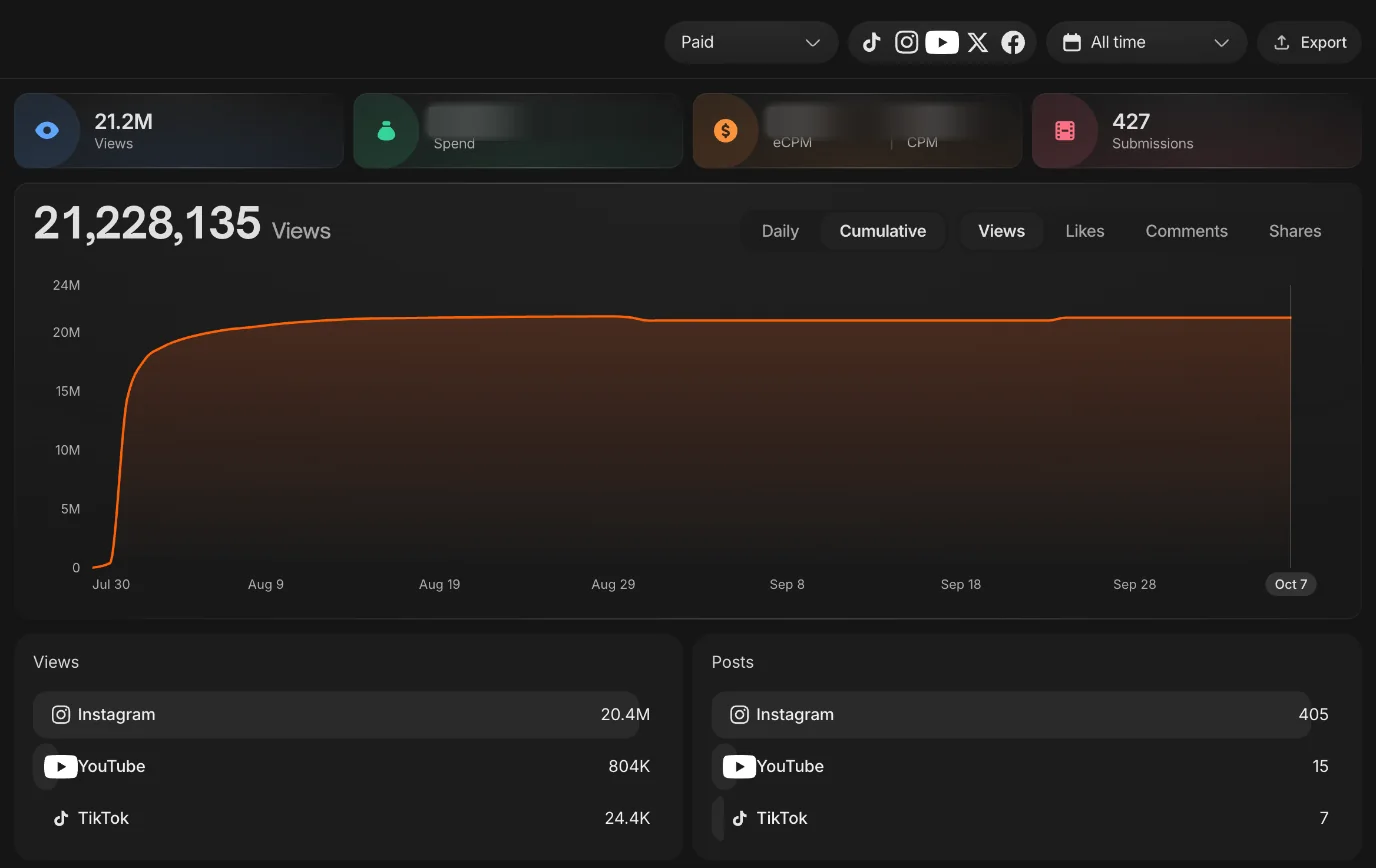
Anna (2019), movie clips part 4
21.2M views from 427 posts on Instagram, YouTube and TikTok since July 30.
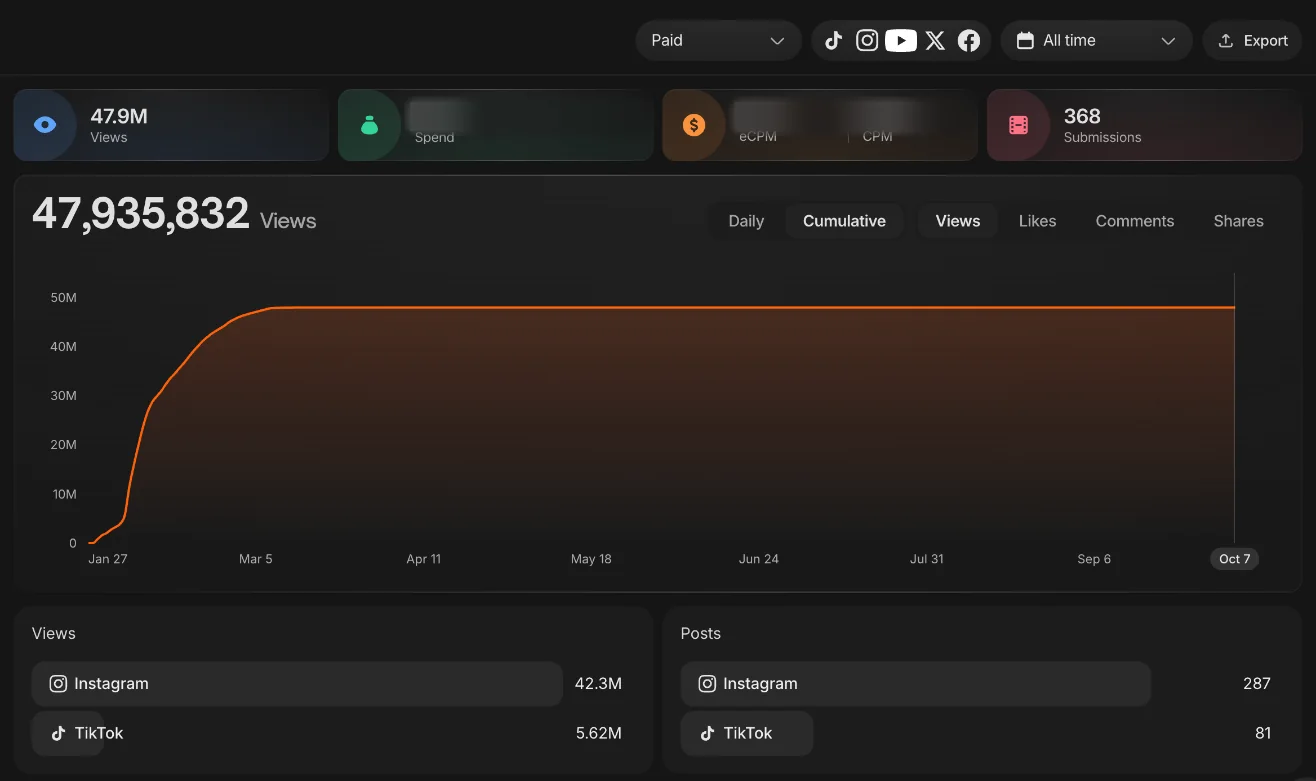
Dracula: A Love Tale, film clips
47.9M views from 368 posts on Instagram and TikTok since January 27.
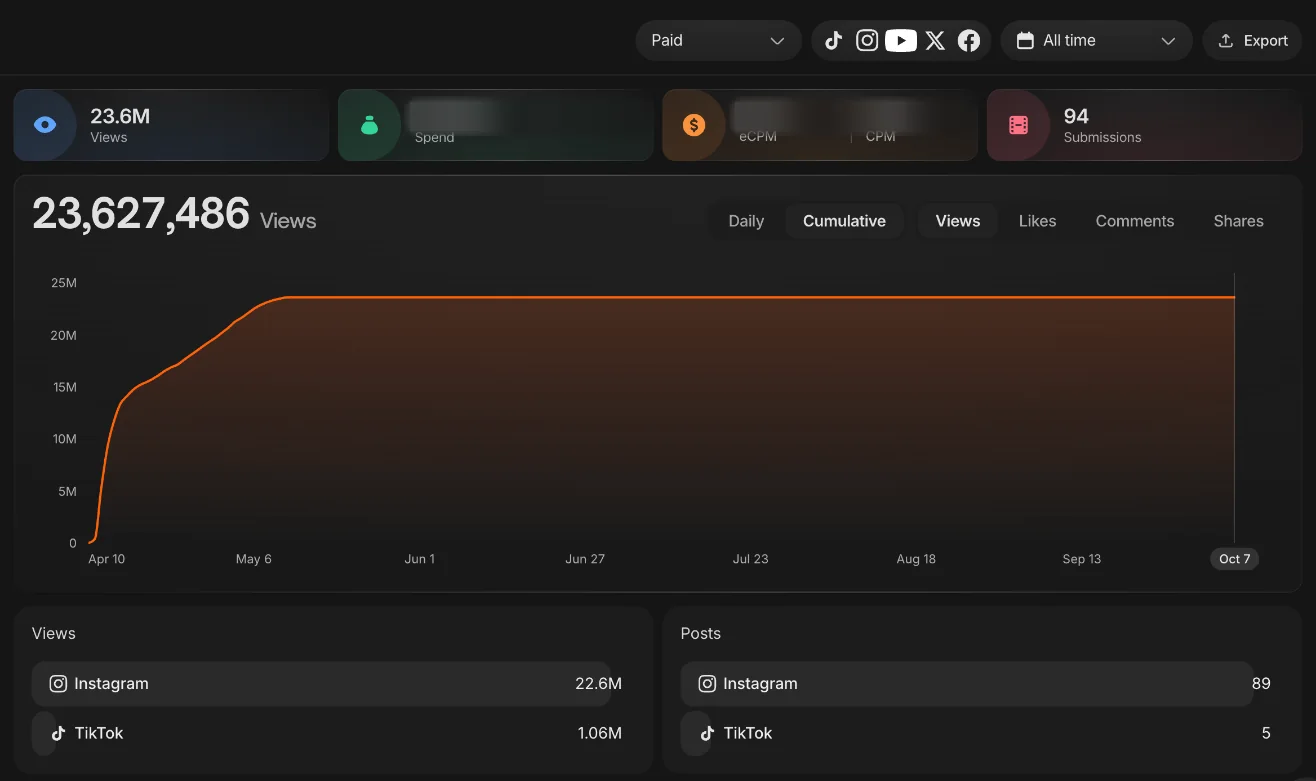
Candyjar, “Off Limits” and “All Mine”
23.6M views from 94 posts on Instagram and TikTok since April 10.
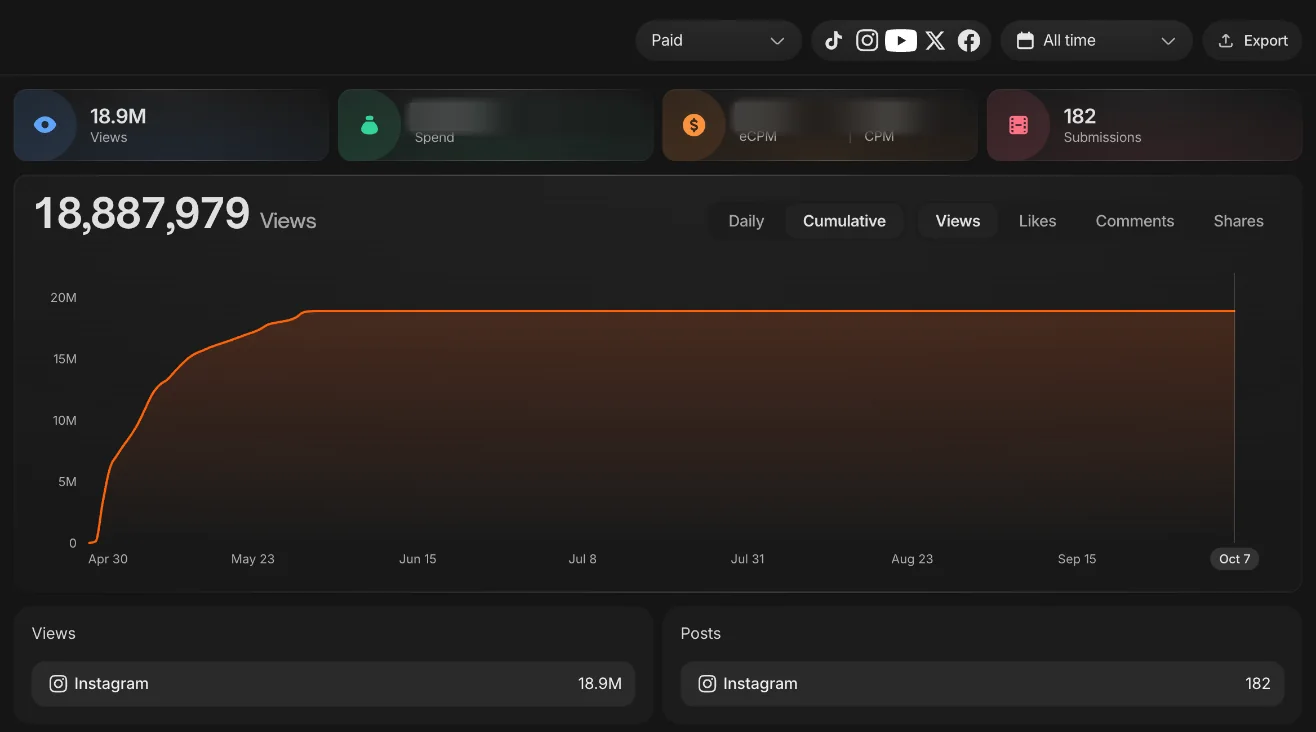
Candyjar, “Spoiled Rotten”
18.9M views from 182 Instagram posts since April 30.
Film and TV campaigns we ran, and what they delivered
A series app, a TV show, a film stunt, an AI film studio and a scripted creator studio. Every card links to the full record behind its total.
A film scene and a series moment, posted by clippers
Both clips were cut from approved footage and posted from clippers’ own accounts. Each one counted only after review.
- Posted from creator accounts, not ad slots
- Captioned for the feed it runs in
- Reviewed before its views count

Film campaign
Anna (2019), movie clips, 1.43M views on Instagram
TV series
Watch Club, “Return Offer”, 596K views on Instagram
Why scenes travel further than trailers
Scenes travel further than trailers
A trailer is one asset on one account. A clipping campaign puts hundreds to thousands of separate scenes, lines and reactions into the feed, posted by clippers from a network of hundreds of thousands and tested against many audiences.
Best fit: footage with standalone moments
The best fit is a title with moments that make sense without context: a fight, a reveal, a line of dialogue, a chemistry scene or a premiere stunt. Release windows, catalog titles and weekly episodes all work when there is enough approved footage to test.
Why the feed rewards scenes
- YouTube said in February 2026 that Shorts now averages over 200 billion daily views (YouTube Blog), so a release with only a trailer on YouTube leaves the Shorts feed to everyone else.
- Meta said in September 2025 that people reshare Reels more than 4.5 billion times every day across Meta platforms (Meta Newsroom), which is how one strong scene keeps traveling after its first view.
- TikTok says recommendations are driven by user interactions, content information and user information, with watch time and related signals carrying the most weight for most users (TikTok Support). A scene that holds attention gets shown to more people.
Which film and TV campaigns work best
Footage clips well when it is full of moments that make sense on their own. These are the film and TV formats our campaigns have run on.
- Catalog films. Four Anna (2019) campaigns reached 104.8M views from 1,592 posts across four campaigns.
- New releases. Dracula: A Love Tale reached 47.9M views from 368 posts on Instagram and TikTok since January 27.
- Series apps. Candyjar’s “Spoiled Rotten” reached 18.9M views from 182 Instagram posts since April 30.
- TV shows. Watch Club’s “Return Offer” reached 2.8M views from 89 posts on YouTube, Instagram and TikTok since May 11.
- Premieres. Starz’s Fightland premiere reached 10.7M views from 404 posts on Instagram and TikTok since July 30.
Key takeaways
- Clippers post scenes from approved footage, from their own accounts.
- Release windows, catalog titles and weekly series drops all fit.
- Every submission is reviewed before its views count.
- Pricing is based on the verified-view target, not on clip count.
How a film and TV clipping campaign works, step by step
01. Approve the footage
The campaign starts with the footage clippers may use, the release dates, the platforms and a number of verified views you want.
- Confirm the approved footage folder
- Set spoiler, caption and tagging rules
- Set the number of verified views you want
02. Clippers cut and post scenes
Participating clippers choose the scenes, cut them for the platform and post them from their own accounts within the guidelines.
- Scenes, lines and reveals cut as standalone clips
- Captioned for TikTok, Reels or YouTube Shorts
- Published posts are submitted for review
03. Verify and report
Clipping Culture reviews submitted posts, verifies views that count and reports delivery against the campaign target.
- Review submissions against the guidelines
- Verify eligible views
- Report progress against the target
How pay-per-view pricing works
Pricing is based solely on the number of verified views you want. Verified views typically cost about $1.50 per 1,000, and managed campaigns start at $15,000. Most campaigns are scoped to a custom view target, so the budget rows on the pricing page are for illustration.
Who film and TV clipping is for
- Studios and distributors with a theatrical or streaming release window.
- Rights holders who want a catalog title found by a new audience.
- Networks, streamers and series apps with weekly episodes to promote.
- Teams that want a review of every post and verified-view reporting.
When this is the wrong service
This is not the right fit when:
- You cannot approve footage for clippers to post.
- Every post needs frame-by-frame sign-off before it goes live.
- You only need a trailer cut for your own channels.
If the goal is only a trailer or a few cutdowns, see our short-form editing service. For footage beyond film and TV, see the video clipping service.
What to look for in film and TV proof
Strong proof shows what footage was distributed and the results recorded for the campaign.
- Look for named titles with view counts and a campaign dashboard.
- Check that results come from many separate posts, not one viral clip.
- Check how submissions are reviewed before views count.
- Look for campaigns that resemble your own release: a launch, a catalog title or a series.
Work with a full-service clipping agency, explore our clipping and editing services, or get in touch to plan a release campaign.
Film and TV clipping vs trailer ads vs in-house social
The difference is how many separate posts reach the feed, who posts them and how delivery is reported.
| Evaluation area | In-house socialYour team edits and posts from the title’s own accounts. | Trailer adsTrailers and cutdowns distributed through paid ad placements. | Clipping CultureManaged distribution through the clipper network. |
|---|---|---|---|
| What reaches the feed | A handful of cuts from the title's own accounts. | The trailer and a few cutdowns, served as ads. | Hundreds to thousands of separate scenes, each posted as its own clip. |
| Who posts | The studio, network or show account. | Ad placements, labelled as sponsored. | Participating clippers, from their own accounts. |
| Review | Your team checks its own posts. | Ad review by the platform. | Every submission is reviewed against the campaign rules before its views count. |
| Reporting | Native analytics on your own accounts. | Impressions and paid view metrics. | Eligible views verified and reported against the target. |

A managed campaign combines approved footage, clipper-created posts, a review of every post and verified reporting.
Trusted by brands, studios and labels
Logos we are cleared to show, with the published result wherever a case study exists.






Backed by published numbers
Each figure comes from our own records: the published case studies, the Whop rating, and the typical cost per 1,000 verified views.
Clips across published case studies
$
Typical cost per 1,000 verified views
1–
Typical launch after the call
Whop rating from 2,300+ reviews
Film & TV Clipping FAQ
Common questions about footage, rights, pricing and launch timing.
What is a film and TV clipping campaign?
Do clippers need the rights to the footage?
Can you avoid spoilers?
Does it only work for new releases?
How does pricing work?
How quickly can a campaign launch?
Put your title in the feed
Book a call to set the approved footage, the release dates and the verified-view target. Most campaigns can launch 1 to 2 days after the call when footage, approvals and scope are clear.